


Last Updated: September 1, 2026
High-end designer furniture brands are distinguished by exceptional craftsmanship, premium materials, and thoughtful design philosophy. Every detail, from wood selection to joinery to hardware finishing, reflects a designer's vision and maker's skill. What separates designer brands from mainstream retailers is intentionality: they consider how furniture functions, ages, and remains relevant over time. You're paying for design heritage, material provenance, and construction methods that don't cut corners.
Oscar and Mila curates collections from brands embodying this standard. We select manufacturers who've invested in understanding their craft, whether timber specialists sourcing sustainably harvested wood or lighting designers perfecting sconce optics. Brands like Theodore Alexander and those featuring Visual Comfort fixtures demonstrate this commitment through their product lineups and collection stories.

High-end designer furniture typically offers what mainstream retailers cannot: pieces that hold character and value over time. A well-made dining table becomes part of your home's identity, not disposable, not trendy in ways that feel dated in three years. This longevity is fundamental to the "designer" label.
Heirloom quality furniture is built to last generations, constructed with techniques prioritising longevity over cost efficiency. Materials are selected for durability and ability to age gracefully. A leather chair develops patina, solid timber surfaces show natural grain character, and quality upholstery softens without deteriorating.
The hallmark is solid construction throughout. Drawers are dovetailed rather than stapled, creating joints that keep them functioning smoothly for decades (peer-reviewed research). Legs are mortised into frames rather than screwed on, creating joints that flex naturally with wood movement without loosening.
Heirloom pieces use solid timber rather than veneers alone, though veneer over solid wood is acceptable and often preferable for stability. Upholstery uses natural fibres like linen, wool, and leather that wear predictably. Springs are hand-tied, and frames are kiln-dried hardwood that won't warp. The Theodore Alexander Essence Three Drawer Nightstand exemplifies this: honed marble top and sculpted white oak frame with hand-cast metal hardware, each element chosen for aesthetic refinement and functional durability.
Heirloom quality also means repairability. Well-made pieces can be refinished, reupholstered, or have components replaced without compromising integrity. Designer furniture brands maintain records of materials and construction methods, making future restoration possible. A piece from a respected brand is an investment that can be refreshed rather than discarded.
Identifying authentic high-quality designer furniture requires knowing what to examine. Lift a chair or sofa and feel its weight. Quality pieces are heavier because they use solid timber and proper bracing. Lightweight construction often signals particleboard or hollow frames designed for cost reduction.
Check joinery by opening drawers. Dovetail joints, interlocking angled cuts creating a mechanical lock, indicate skilled craftsmanship. Drawers should glide smoothly and feel substantial. Quality construction uses solid wood bottoms fitted into grooves, not thin plywood stapled in place.
Examine materials directly. Run your hand across timber surfaces; solid wood feels warm with visible grain variation. For upholstered pieces, check fabric composition, natural fibres like linen, wool, and cotton are preferable to synthetics. Press cushions; they should spring back quickly, indicating quality foam or down filling.
Look at hardware and details. Hand-cast metal hardware is heavier and more refined than stamped alternatives. Hinges should feel smooth and precisely fitted. Handles should be securely attached, not loose or rattling.
Verify authenticity through documentation. Reputable designer furniture brands include maker's marks, serial numbers, or certificates of authenticity. Oscar and Mila provides detailed provenance information for every piece, ensuring you know exactly what you're purchasing. If a seller can't provide documentation or the piece lacks identifying marks, that's a warning sign.
Designer furniture brands significantly impact resale value. Pieces from established brands with recognisable design heritage hold worth far better than anonymous high-street furniture. The secondary market for designer furniture is strong. Auction houses regularly feature pieces from heritage brands, and online platforms dedicated to vintage and contemporary designer furniture show strong demand. Longevity directly impacts resale value; a sofa reupholstered once or twice remains valuable if the frame is solid and design is timeless. A dining table with a refinished top is often more desirable than a scratched original.
The best investment pieces combine timeless design with exceptional construction. A minimalist wooden dining table in natural finish appeals across design preferences and eras. The Panama Round Dining Table, hand-made from salvaged European oak, represents the kind of investment piece that gains character with age rather than losing appeal.
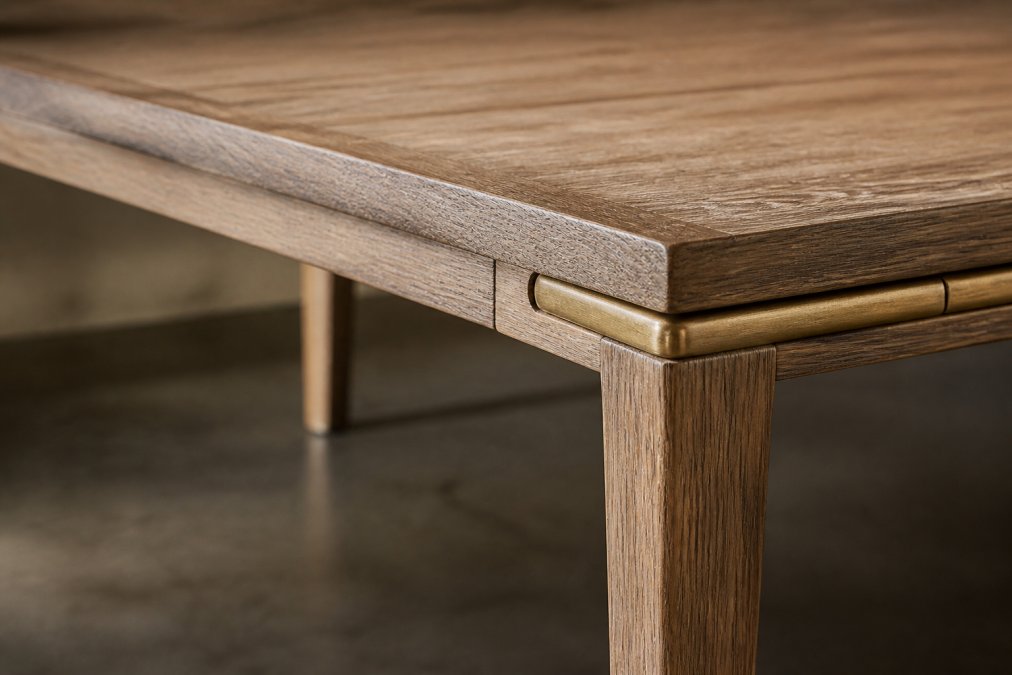
Designer furniture uses fundamentally different materials from mass-market alternatives. Solid timber, oak, walnut, maple, mahogany, is the foundation of quality pieces, selected for grain character, stability, and longevity. Timber is kiln-dried to precise moisture levels, ensuring it won't warp or crack as it seasons in your home.
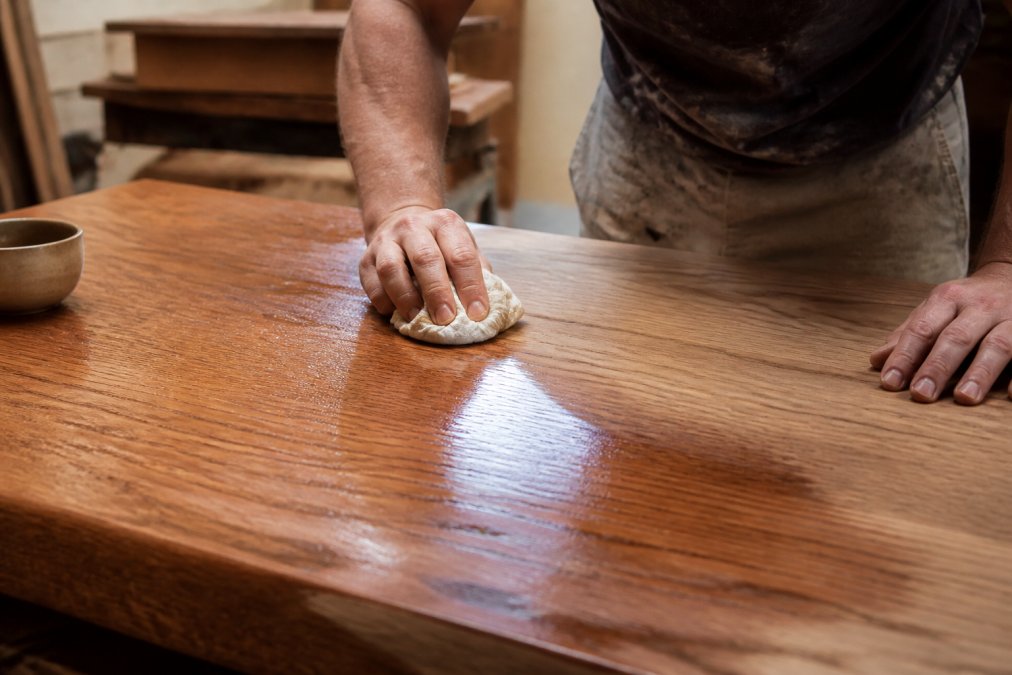
Craftsmanship shows in unseen details. Hand-finishing means timber surfaces are sanded progressively through finer grits, creating smoothness machine finishing alone can't achieve. Lacquers and oils are applied in multiple coats, sometimes hand-rubbed between applications, producing finishes that age beautifully and can be maintained indefinitely.
Marble and stone tops represent another material category where designer brands excel. Natural marble sourced from specific quarries brings aesthetic refinement and functional durability. A honed marble surface develops subtle patina over time that enhances rather than detracts from appeal.
Upholstery materials reflect similar attention. Natural fibres like linen, wool, and leather are selected for performance characteristics (consumers should always check product labels for fibre content). Linen softens with use, developing lived-in aesthetic (peer-reviewed research). Wool resists staining and wears evenly. Leather develops character through patina. Hardware, handles, hinges, brackets, is often hand-cast rather than stamped in brass, bronze, or stainless steel, finished with care.
The Theodore Alexander Lido Nightstand V exemplifies this philosophy. Crafted from Prima Vera wood in deep Bistre finish, it features gracefully tapered proportions and finely reeded drawer detailing. Custom forged hardware in dark rubbed bronze echoes textured detailing throughout, creating a refined piece where every element serves aesthetic and functional purposes.

Understanding material choices helps evaluate whether a piece justifies its price. A dining table at $3,450, like the Colonnade Round Dining Table handcrafted from solid old mango timber, reflects the cost of sourcing premium materials, skilled labour required to shape and finish them, and expertise embedded in the design.
Bedrooms and dining areas are where designer furniture makes the most visible impact. These spaces define how you start your day and gather with others, making them ideal for quality investments.
Bedroom furniture requires aesthetic refinement and functional reliability. The Theodore Alexander Surface Nightstand, finished in silver maple veneer with brass clamped optical glass handles, demonstrates how a bedside table can be both practical and architecturally significant. At $8,500, it represents the premium end, but its solid timber frame, precise joinery, and hand-finished surfaces justify the investment for heirloom quality.

For budget-conscious buyers seeking designer quality, the Dorset Bedside Table at $1,665 offers contemporary styling with clean modular proportions, ribbed-front drawers, and subtle gold metal frame, drawing inspiration from refined Parisian interiors.
Dining tables anchor gathering spaces. The Panama Round Dining Table at $5,495, hand-made from salvaged European oak with stain and scratch-resistant lacquers, balances investment and functionality. The Panama Extension Dining Table at $6,600 offers similar craftsmanship with flexibility to extend from 2.8 to 3.4 metres.
The Contemporary Marble Dining Table at $4,995 features natural Vitoria marble top supported by a striking base combining brass and matte black. The Colonnade Dining Table, available in 240cm and 280cm lengths at $3,700, is crafted from solid old mango timber in signature Walnut Grey and Biscuit finishes. Each piece is unique due to natural timber variation, reflecting the authenticity that makes designer furniture compelling.
When curating these spaces, consider how pieces work together. A bedroom benefits from cohesive material palette; if your bed frame features solid timber, a timber nightstand creates visual harmony. Oscar and Mila helps navigate these decisions by offering curated collections that work together aesthetically while maintaining flexibility to personalise your space.
Investing in designer furniture reflects a deliberate choice about how you want to live. These pieces become part of your home's identity, improving with age rather than deteriorating. They're built with techniques and materials prioritising longevity, craftsmanship, and timeless aesthetic appeal.
The financial case is straightforward: quality pieces retain value, can be refreshed rather than replaced, and provide years of reliable functionality. Beyond economics, surrounding yourself with well-made objects shifts how you experience your home. A bedroom with a beautifully crafted nightstand feels different from one with flat-pack furniture. A dining table hand-finished by skilled craftspeople has presence that mass-produced furniture doesn't convey.
Oscar and Mila makes accessing these pieces easier. Our curated collection brings together designer brands meeting exacting standards for craftsmanship, material quality, and design integrity. We've done the research so you don't have to.
The pieces we feature, from Theodore Alexander's refined bedside tables to handcrafted dining tables in salvaged European oak, represent the best available in the luxury furniture market. Each has been selected because it demonstrates qualities defining heirloom-quality design: exceptional materials, skilled construction, and aesthetic timelessness.
When you purchase designer furniture, you're acquiring something that will serve you well and potentially outlive your ownership of it. Explore Oscar and Mila's collection and discover pieces that elevate your spaces with the sophistication and craftsmanship they deserve.
Elevating your home with designer furniture requires access to pieces that truly deliver on quality and longevity. At Oscar and Mila, we've curated a collection of premium designer brands, from the Theodore Alexander Essence Three Drawer Nightstand with its honed marble top and sculpted white oak frame to hand-finished dining tables in salvaged European oak, that embody exceptional craftsmanship and timeless design. Explore our boutique selection today and invest in furniture that will define your spaces for years to come.
A: Authentic high-end designer furniture carries documented provenance, including certificates of authenticity and clear sourcing information. Inspect craftsmanship closely: hand-finished details, solid timber construction (not veneer alone), and precision joinery indicate genuine quality. Reputable retailers like Oscar and Mila provide full product specifications, materials lists, and designer credentials. Ask for detailed photographs of construction methods and hardware. Authentic pieces show natural timber variation, tool marks, and individual character, mass-produced imitations appear uniform and lack these markers of handcrafted authenticity.
A: Heirloom quality furniture combines timeless design, superior materials, and exceptional durability to last generations. It features solid timber construction (such as oak or mango), hand-finished surfaces, and hardware that resists wear. Unlike trend-driven luxury pieces, heirloom furniture maintains aesthetic relevance through classic proportions and understated sophistication. Pieces like the Theodore Alexander Essence Three Drawer Nightstand ($4,490) exemplify this through sculpted oak frames, honed marble tops, and hand-cast metal hardware. True heirloom pieces gain character with age, develop patina naturally, and remain functional and beautiful across decades of use.
A: Premium designer furniture justifies its cost through superior longevity, authentic craftsmanship, and investment-grade resale value. Hand-finished construction, premium materials like salvaged European oak, and precision joinery prevent structural failure. The Panama Extension Dining Table ($6,600) handcrafted from salvaged oak with butterfly extension mechanisms represents this durability. Beyond function, designer furniture elevates interior aesthetics and provides the sophistication that defines refined living spaces.
A: Request detailed product specifications including exact dimensions, materials, finishes, and high-resolution photography from multiple angles. Reputable retailers provide scale references and styling imagery showing pieces in realistic interiors. Many luxury retailers, including Oscar and Mila, recommend viewing pieces in person when possible due to natural timber variation and finish appearance under different lighting. Ask about return policies for damaged items and clarify delivery timelines, quality retailers offer white-glove delivery services that include placement and inspection. Request samples of materials or finishes if available. Consult interior designers who source from the same retailers; they can advise on spatial compatibility and coordinate pieces cohesively.
This article was written using GrandRanker
Leave a comment