


Last Updated: September 29, 2026
Learning how to care for investment designer furniture starts with one shift in thinking: these pieces are assets, not purchases. A mass-market sofa is built to be replaced. A hand-finished mahogany cabinet or a solid timber chest is built to be passed down, and that changes everything about how you treat it.

Material longevity is the usable lifespan of a piece before its structure or finish fails. For investment furniture, that lifespan is measured in decades, not years.
Three forces shorten it faster than anything else:
The safest way to clean high-end designer upholstery is to vacuum first, test any product in a hidden spot, and treat stains from the outside in. Skip those steps and you risk setting a stain or damaging the fabric weave.
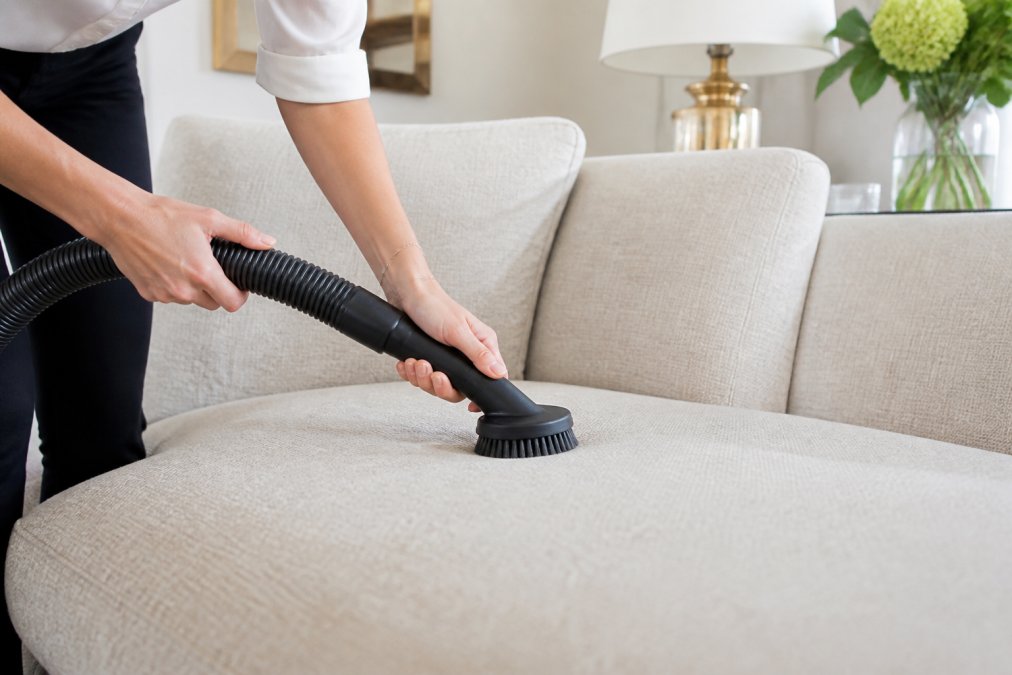
Each material has its own rules. Treating them the same is where most people go wrong.
Sun damage is the single biggest threat to designer furniture in most homes. Faded timber and cracked leather are almost always caused by UV exposure, not age.

Humidity swings cause timber to swell and shrink, which leads to warping and cracking over time. Aim for a stable indoor environment rather than a specific number.
A simple seasonal routine keeps furniture maintenance manageable and prevents buildup removal from becoming a major job. Here is a schedule you can follow year-round.
| Season | Task | Frequency | Why It Matters |
|---|---|---|---|
| Weekly | Vacuum upholstery with soft brush attachment | Weekly | Stops grit wearing the weave |
| Monthly | Dust timber and wipe leather with dry cloth | Monthly | Prevents buildup removal later |
| Quarterly | Apply timber polish and rotate cushions | Every 3 months | Even wear, protected grain |
| Biannually | Condition leather and check brass hardware | Twice a year | Keeps material longevity intact |
| Annually | Full inspection and professional review | Once a year | Catches structural issues early |
Blot, do not rub. That single rule prevents most permanent stains on investment furniture.
Professional care is worth it for deep-set stains, delicate fabrics and full-piece restoration. DIY care handles everything else, and it should.
Call a specialist when:
Most owners never photograph their furniture until it is too late. This gap costs people money, and it is the easiest thing on this list to fix. But documentation is not just a folder of receipts, it is the administrative half of caring for an asset, and it works on three fronts at once: insurance, warranty and resale.
Australian Designers at Home →
Under a standard home contents policy, insurers typically settle a claim on either replacement value or new-for-old basis, depending on your cover. The distinction matters enormously for designer pieces. If you cannot evidence the original specification, an assessor may default to a generic comparable, a mass-market equivalent that shares the function but none of the craftsmanship.
A defensible record for each major piece should capture:
Most designer furniture warranties are conditional. They typically cover manufacturing defects, failing joints, faulty hardware, delamination, but exclude damage from misuse, neglect, or inappropriate cleaning products. This is where your maintenance log becomes a warranty asset.
This is the part most guides skip. On the secondary market, provenance is price. A piece with its original receipt, authenticity paperwork and a maintenance log will consistently attract stronger offers than an identical piece without them, because the buyer is not just purchasing furniture, they are purchasing certainty.
Repair is almost always better than replacement. It protects your investment, reduces waste, and often preserves value that a replacement would destroy. But 'repair it' is not advice, the real skill is knowing which repairs are worth doing, which are not, and how to sequence them so you spend money where it actually holds value.
The single question that settles most cases: is the frame sound?
A practical hierarchy, from most to least worth doing:
A well-maintained, well-documented piece with original craftsmanship holds value far better than one that has been replaced with something generic. Buyers of investment furniture pay for originality and provenance. A sympathetic repair, new upholstery on an original frame, replaced hardware of the correct period, preserves both. A heavy-handed restoration that sands away patina or swaps original fittings for modern ones can quietly destroy the very thing that made the piece valuable.
Leather conditioning is best done every 6 to 12 months, depending on your climate and how much direct sunlight the piece receives. In drier conditions, aim for every six months. Always use a specialised leather conditioner, test it on a discreet area first, and apply with a soft cloth in circular motions. Regular conditioning prevents cracking and keeps the leather supple, which protects both appearance and long-term value.
For timber with a lacquered or polished finish, use a soft, slightly damp cloth followed by a dry buff. Avoid silicone-based polishes that build up over time. A specialised timber polish designed for your finish type works well every few months. For deeper cleaning, a mild pH-neutral solution on a microfibre cloth is safe. Always test on a discreet area first, and never soak the surface, as excess moisture can cause warping or cracking.
It depends on the manufacturer and the method used. Some warranties require professional cleaning by an approved specialist, while others specify particular methods such as hot water extraction or dry cleaning. Always check your warranty documentation before booking any service. Keep receipts and service records, as these form part of your proof of preventative care if you ever need to make a claim.
UV exposure fades fabric dyes, dries and cracks leather, and can alter the colour of timber finishes over time. Position anchor pieces away from windows that receive strong afternoon sun, or use sheer curtains and blinds during peak hours. Rotating cushions and occasionally rearranging furniture helps distribute light exposure evenly. For pieces that cannot be moved, consider UV-filtering window film to reduce the rate of fading.
Leave a comment