


Last Updated: September 18, 2026
Choosing the best upholstery fabrics for high traffic areas requires understanding durability metrics beyond aesthetics. High-traffic furniture demands fabrics engineered to withstand constant use, frequent cleaning, and inevitable wear from family life or commercial environments. The best upholstery fabrics for high-traffic areas combine resilience, stain resistance, and colour stability that standard fabrics cannot match.
High-traffic furniture in living rooms, dining areas, and entryways faces relentless contact: children jumping, pets scratching, spills, and sunlight fading. A fabric that looks beautiful in a showroom may deteriorate rapidly in this demanding environment. The solution is selecting fabrics specifically engineered for performance.
Performance upholstery differs from standard upholstery through fibre composition, weave structure, and finish treatments. Performance fabrics use tighter weaves, solution-dyed fibres, and protective coatings that resist staining and fading.
The Martindale rub test is the industry standard for measuring upholstery durability. This test simulates wear by rubbing a standardised material against the fabric surface in a circular motion until visible wear appears. The number of rubs before damage is called the "double rub count."
Each cycle counts as two rubs, one in each direction. Fabrics rated at 15,000 double rubs withstand roughly five years of normal family use; 30,000 double rubs suit commercial environments or homes with multiple children and pets. Below 10,000 double rubs is light-duty and unsuitable for high-traffic areas.
Double rub counts enable objective fabric comparison. A sofa rated at 20,000 double rubs will outlast one rated at 8,000 by years, removing guesswork from durability claims.
| Double Rub Rating | Suitable Use | Expected Lifespan |
|---|---|---|
| Below 10,000 | Light residential use only | 2-3 years |
| 10,000-20,000 | Standard family homes | 4-6 years |
| 20,000-30,000 | High-traffic homes, pets, children | 6-10 years |
| Above 30,000 | Commercial, heavy institutional use | 10+ years |
The Martindale test doesn't account for staining, fading, or colour loss, but it's the most reliable durability metric available. Always ask for the double rub count when shopping for the best upholstery fabrics for high traffic areas.
Natural fibres like cotton and linen offer aesthetic appeal and breathability but perform poorly in high-traffic environments. Cotton softens with washing, linen wrinkles easily, and wool pills. These fibres absorb moisture, making them vulnerable to staining and mildew. For high-traffic areas, natural fibres require frequent professional cleaning and won't deliver the durability of performance-engineered alternatives.
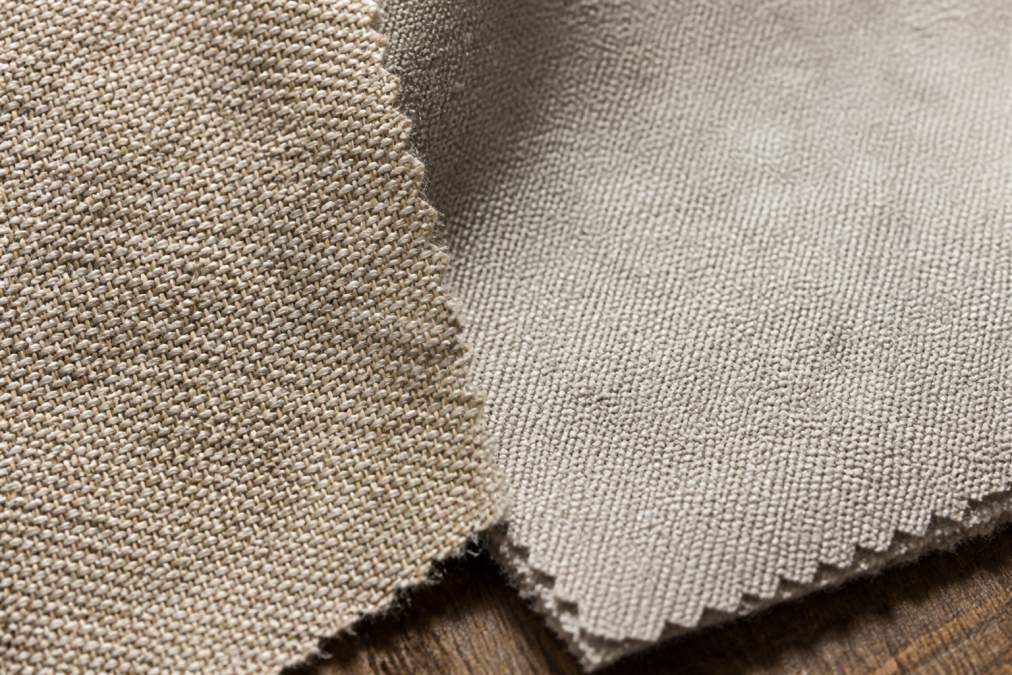
Synthetic fibres, polyester, polypropylene, and acrylic blends, dominate high-performance upholstery. Solution-dyed synthetics resist fading because colour is integrated into the fibre itself. They resist moisture absorption, making them naturally stain-resistant and easier to clean, whilst maintaining shape through thousands of use cycles.
Fibre blends offer the best compromise between performance and comfort. A 50% cotton and 50% polyester blend combines natural breathability with synthetic durability, maintaining soft hand-feel whilst gaining stain resistance and colour stability.
Synthetic fibres maintain structural integrity through repeated stress, whilst natural fibres gradually weaken. In high-traffic areas, synthetic dominance is about longevity.
Stain resistance separates fabrics that survive high-traffic environments from those that merely look durable. Most performance fabrics receive protective treatments that cause liquids to bead on the surface. Solution-dyed synthetic fibres provide inherent stain resistance because colour and protective properties are built into the fibre structure.
Stain-resistant upholstery fabric employs two protection mechanisms: topical treatments like fluorocarbon-based coatings that repel liquids (requiring reapplication every 2-3 years), or solution-dyed fibres that provide permanent stain resistance.
High-traffic furniture in homes with pets and young children faces pet urine, muddy paw prints, crayon marks, and food smears. Standard stain-resistant coatings address wine and coffee but may not repel urine or organic compounds.
For pet-heavy households, prioritise solution-dyed synthetics over topically treated fabrics. Solution-dyed polypropylene and polyester resist urine absorption because the fibre itself is hydrophobic. Topical coatings degrade with repeated urine contact, particularly in warm, humid conditions.
Tight weaves (15+ threads per inch) prevent liquids from reaching foam cushioning beneath. Once urine penetrates to foam, odour becomes permanent. Tight weaves contain spills on the surface for immediate cleaning.
For child-friendly upholstery, consider fabrics with proven resistance to chocolate, juice, marker, and adhesive residue. Polypropylene-dominant blends (70% polypropylene, 30% polyester) excel because polypropylene's non-absorbent nature prevents pigments from bonding to the fibre.
Cleaning codes guide maintenance: S indicates solvent only, W allows water-based cleaning, WS permits both. High-traffic furniture with pets should carry W or WS codes to use water-based enzymatic cleaners that break down biological compounds.
High-performance fabrics require maintenance to preserve appearance and durability. A structured maintenance schedule prevents dirt accumulation, extends fabric life, and maintains colour vibrancy.
Vacuum weekly using an upholstery attachment with low suction to avoid pulling fibres. Focus on seams, piping, and crevices. Weekly vacuuming removes surface dirt before it becomes ground in. In pet households, vacuum twice weekly.
Rotate removable cushions weekly to distribute wear evenly and prevent permanent indentations.
Address spills within 24 hours using appropriate cleaning methods based on care code. For WS-coded fabrics, blot with a damp cloth and mild detergent solution (1 teaspoon liquid dish soap per 250 ml water), working from outside the stain toward the centre. Allow to dry completely.
For stubborn stains, use solvent-based cleaner appropriate for your fabric type. Always test on a hidden area first.
For S-coded fabrics (solvent only), skip water-based cleaning entirely and proceed directly to solvent-based spot treatment. Using water on solvent-only fabrics can cause permanent water rings and fibre damage.
Hire professional upholstery cleaners every three months in high-traffic households, or every six months in moderate-use environments. Professional cleaners protect coatings and fibre structure whilst maintaining warranty coverage.
Specify fabric type and care code when booking. Request low-moisture extraction methods rather than high-pressure steam cleaning, which can force moisture deep into cushioning and cause mildew.
Sunlight causes fading regardless of fabric type. Rotate furniture periodically and use window treatments to reduce direct UV contact during peak hours (10 a.m. to 4 p.m.). Solution-dyed fabrics resist fading better than topically treated fabrics.
Inspect furniture yearly for loose seams, pilling, colour fading, or coating degradation. Address loose seams immediately. Pilling on synthetic fabrics can be removed using a fabric shaver.
If your fabric received a topical stain-resistant coating, consider professional recoating every 2-3 years with heavy use. Solution-dyed fabrics don't require recoating.
Proper maintenance transforms a significant investment into furniture that remains beautiful for years, justifying the initial cost through extended lifespan and preserved aesthetics.
Choosing the best upholstery fabrics for high-traffic areas requires balancing durability metrics, aesthetics, maintenance commitment, and budget. Homes with young children or pets demand fabrics rated above 20,000 double rubs with proven stain resistance. Formal living rooms can accommodate slightly lower ratings if aesthetics justify the trade-off.
Consider furniture location. Dining chairs face constant food and beverage contact, demanding superior stain resistance. Living room sofas endure jumping and pet traffic, requiring high abrasion resistance. Bedroom furniture experiences lighter use but benefits from breathable fabrics.
Evaluate your cleaning commitment honestly. Performance fabrics require regular maintenance. If unwilling to vacuum weekly or address spills promptly, even durable fabric will deteriorate. With proper care, high-performance upholstery delivers years of reliable service.
Test fabrics in your actual environment before committing. Request samples and live with them for a week in the spaces where your furniture will reside.
The Martindale rub test measures fabric durability by simulating wear through repeated rubbing cycles. A higher count indicates greater durability. For high-traffic residential furniture, aim for at least 15,000-20,000 double rubs; commercial-grade upholstery typically exceeds 30,000. This standardised test helps you compare fabrics objectively and predict how long upholstery will withstand daily use in busy households.
Synthetic fibres like polyester and polypropylene typically outperform natural fibres in high-traffic settings because they resist pilling, fading, and moisture absorption. However, fibre blends combining natural and synthetic materials often provide the best balance: natural fibres offer breathability and comfort, while synthetic components add durability and stain resistance. The key is tight weave structure and high pile density, regardless of fibre type.
Vacuum high-traffic upholstery weekly to remove surface dust and prevent soil accumulation, which degrades fabric over time. Address spills immediately with appropriate cleaning codes, blot rather than rub to avoid spreading stains. Professional dry cleaning is recommended annually for pieces in heavy use. Regular maintenance extends upholstery longevity and preserves the fabric's appearance and performance characteristics.
Stain resistant upholstery fabrics are treated with protective coatings or solution-dyed during manufacturing, making them resistant to liquid absorption and soil penetration. This treatment is particularly valuable in households with children or pets, as spills are easier to clean and less likely to set permanently. Combined with tight weaves and synthetic fibres, stain resistance significantly extends fabric life and maintains aesthetic appeal in high-traffic environments.
Leave a comment