


Why Designer Lighting Costs More: The Real Breakdown
When you're shopping for lighting, the price gap between a mass-produced fixture and a designer piece can feel shocking. A basic chandelier might cost a few hundred dollars. A Visual Comfort Thomas O'Brien design runs into the thousands. The question isn't just "why," but whether that premium actually buys you something real.

Designer lighting costs more because it's built differently, specified by professionals, and engineered to perform over decades rather than years. At Oscar and Mila, we work with architects, interior designers, and homeowners who understand that the cost difference reflects genuine material quality, manufacturing precision, and long-term value. But the real story goes deeper than sticker price.
The gap between cheap and expensive light fittings isn't just about aesthetics. It's about how light behaves in your space, how long the fixture lasts, how efficiently it uses energy, and whether it actually delivers the ambience you're paying for. Most people don't realise they're comparing fundamentally different products.
Designer lighting starts with better materials. That's not marketing, it's specification.
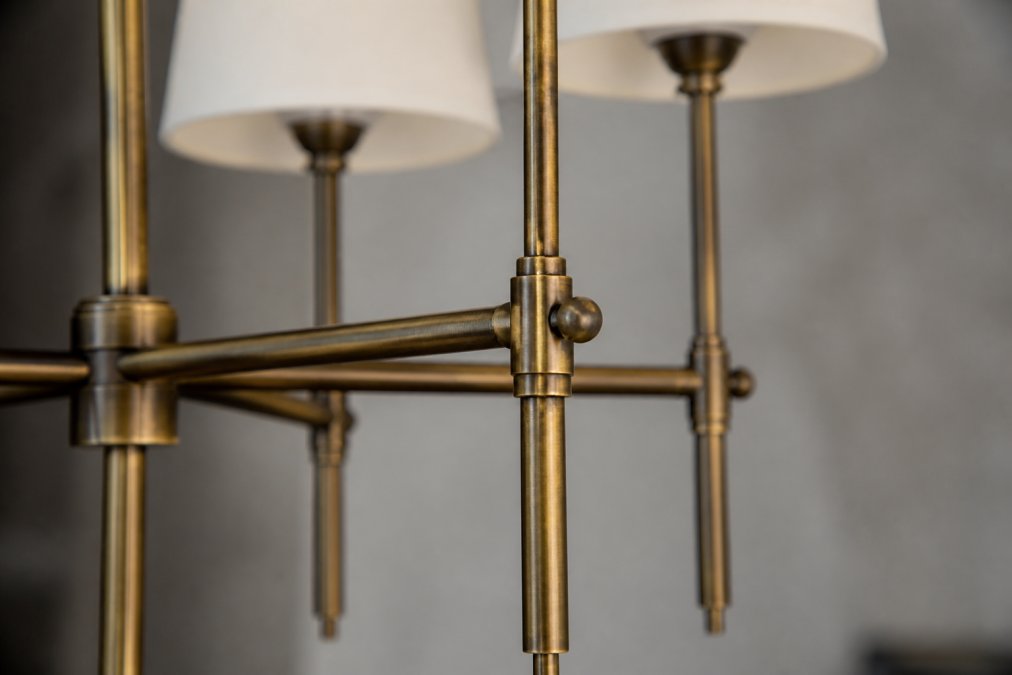
High-end fixtures use solid brass, hand-finished metals, and precision-cast components instead of stamped steel or plastic assemblies. A designer chandelier like the Visual Comfort Thomas O'Brien Bryant Small Chandelier uses hand-rubbed finishes and natural linen shades that are sourced and assembled with tolerances that mass-produced lighting simply doesn't maintain. The difference shows immediately: weight, balance, how the metal catches light.
Manufacturing transparency matters too. Designer brands publish specifications, material sourcing, and construction methods because their reputation depends on it. You can trace where components come from and how they're assembled. Mass-produced fixtures often hide this information because the cost-cutting happens in places buyers can't see: thinner gauge metal, cheaper solder joints, plastic components substituted for metal.
The durability difference is measurable. A designer fixture is built to last 20-30 years or longer. Cheap fixtures degrade within 5-7 years (peer-reviewed research). The finish tarnishes, sockets loosen, wiring becomes brittle. You're not just paying for looks, you're paying for a product that won't need replacing.
The most overlooked difference is how light actually behaves. Cheap fixtures use basic reflectors and diffusers that scatter light unevenly. Designer fixtures employ optical engineering, the placement of reflective surfaces, the quality of the shade material, and the fixture geometry are all calculated to create specific light distribution patterns.
This matters practically. A poorly designed fixture creates hot spots, harsh shadows, and uneven illumination (ies.org). A designer piece creates ambient light that feels intentional. The difference isn't subjective, it's about colour temperature consistency, flicker-free operation, and how the light interacts with the room's surfaces.
Cheap fixtures also tend to generate heat inefficiently. Poor thermal management means the bulbs run hotter, fail sooner, and waste energy. Designer fixtures include proper heat dissipation, LED drivers that regulate power smoothly, and dimming compatibility built in from the start. When you dim a cheap fixture, you often get flickering or colour shift. Designer fixtures maintain consistent colour temperature across the full dimming range.
The electrical components tell the story. Cheap fixtures use basic wiring and connections prone to loosening over time. Designer fixtures specify commercial-grade components, proper strain relief, and connections rated for thousands of on-off cycles. It's the difference between something that works today and something that works reliably for years.
Architectural lighting design isn't about picking a pretty fixture, it's about solving a spatial problem with precision. This is where designer lighting becomes essential rather than optional, and where the cost difference becomes justified through avoided mistakes.
A lighting consultant or architect specifies designer fixtures because they understand how light functions in a space. They consider lumens output, colour rendering index (CRI), beam angles, colour temperature consistency, and how the fixture integrates with the room's geometry and surface finishes. A designer chandelier isn't just decoration; it's a calculated component of the overall lighting plan.
Professional specification prevents costly mistakes that cheap fixtures amplify. Common errors include:
Undersized fixtures that require supplementary lighting. A homeowner selects a chandelier based on appearance in a showroom, but the fixture's lumens output is insufficient for the room's dimensions and surface reflectance. The result: the space feels dim, additional table lamps and floor lamps are added, energy consumption increases, and the original fixture becomes visually lost. A designer fixture specified by a professional delivers the calculated lumens required for the space, eliminating the need for layered lighting.
Colour temperature mismatch. Cheap fixtures often use inconsistent colour temperatures or poor-quality LEDs with CRI below 80, making skin tones appear sallow and colours appear dull. A designer fixture specified for a dining room might use 2700K (warm) with CRI 95+, ensuring food and faces appear appetising. The difference is not subtle, it affects how people perceive the space and how long they want to spend in it.
Beam angle and distribution errors. A fixture with the wrong beam angle creates hot spots (overly bright areas) or dead zones (dark corners). A designer fixture is specified with the correct beam angle for the room's ceiling height and layout. For example, a 3-metre ceiling requires a wider beam angle than a 2.7-metre ceiling to avoid harsh shadows. Cheap fixtures use generic beam angles that rarely match the actual space.
Dimming incompatibility. Many cheap fixtures cannot dim smoothly or flicker noticeably when dimmed. A professionally specified designer fixture includes dimming compatibility from the start, with LED drivers rated for thousands of dimming cycles and colour temperature stability across the full dimming range. This allows the space to adapt to different times of day and activities without replacing the fixture.
The architectural specification also drives long-term value. A well-specified lighting plan reduces the need for fixture additions or replacements later. You're not retrofitting supplementary lighting because the original fixture underperformed. The fixture does the job it was designed for, efficiently and effectively, for decades.
Designer brands like Visual Comfort publish detailed photometric data, beam angle diagrams, and installation specifications that support this process. This transparency allows architects and designers to specify with confidence, knowing the fixture will perform as documented. Cheap fixtures rarely provide this level of documentation, making professional specification impossible and leaving outcomes to chance.

Designer lighting fixtures increasingly meet strict energy efficiency standards, but the real advantage lies in how that efficiency translates to measurable savings over time. Many designer fixtures use LED technology optimised for performance rather than cost reduction, and the difference between a cheap LED fixture and a designer one often comes down to the driver, the component that regulates power to the LEDs.
Quality LED drivers maintain consistent output, minimise flicker, and allow smooth dimming without colour shift. Cheap drivers create visible flicker (often 100 Hz or lower, perceptible to the human eye), colour inconsistency across the dimming range, and rapid failure of the LED array itself. Over thousands of hours of use, this compounds. A fixture that costs more upfront but runs reliably for 20 years uses less total energy than multiple cheap replacements over the same period.
Energy consumption also depends on lumens efficiency, the amount of light produced per watt consumed. Designer fixtures are engineered to produce the required light output with minimal wattage. A well-designed fixture might deliver the same perceived brightness as a poorly designed one while consuming 30-40% less power. Over a 20-year lifespan, running 5 hours daily, this difference becomes substantial. A 15-watt designer fixture versus a 25-watt cheap fixture saves approximately 73 kWh annually (energy.gov). At typical electricity rates, that's roughly $15-20 per year in direct savings, or $300-400 over the fixture's life, before accounting for replacement costs.
Compliance with local standards matters too. Designer brands typically exceed minimum requirements set by Standards Australia (such as AS/NZS 1680 for interior lighting), building in safety margins and future-proofing. This reduces the risk of fixtures failing to meet evolving regulations or becoming incompatible with upgraded electrical systems. Many designer fixtures are also compatible with smart dimming systems and automated controls, allowing further energy optimisation that cheap fixtures cannot support.
The thermal efficiency of designer fixtures also extends bulb life. Poor thermal management in cheap fixtures causes LEDs to run hotter, accelerating degradation. A designer fixture with proper heat dissipation maintains optimal operating temperature, preserving light output and colour consistency throughout the fixture's life. This means you're not replacing bulbs or entire fixtures prematurely, which eliminates the hidden costs of frequent maintenance and labour.
This distinction separates expensive from wasteful spending. The cost of the fixture is what you pay upfront. The cost of light is what you pay over the fixture's lifetime.
Consider a cheap chandelier at a few hundred dollars versus a designer piece at two thousand. If the cheap one lasts five years and the designer one lasts twenty, you're buying four cheap replacements versus one designer fixture. Factor in labour costs for installation, removal, and disposal, and the total cost of cheap lighting becomes substantial.
Energy costs compound too. A fixture that wastes energy through poor design or inefficient components costs more to operate every month. Over twenty years, those small monthly differences become significant expenses. A designer fixture engineered for efficiency pays for itself through lower electricity bills.
The true value also includes the cost of mistakes. A poorly specified fixture that creates wrong light forces you to add supplementary lighting. You end up with more fixtures, higher energy consumption, and a space that doesn't look right. Designer fixtures, properly specified, eliminate this waste.
Oscar and Mila helps clients understand this calculation. When you're evaluating a designer piece, look at the total cost of ownership, not just the purchase price. A fixture that costs more but lasts longer, uses less energy, and performs better is genuinely cheaper over time.
This is where the conversation shifts from function to experience. Designer lighting creates an environment, not just illumination.
The psychological impact of light is real. Harsh, flickering light creates stress and fatigue. Warm, consistent light creates calm and comfort. A designer fixture engineered for smooth colour temperature and flicker-free operation feels better to be around. You might not consciously notice the difference, but your nervous system does.
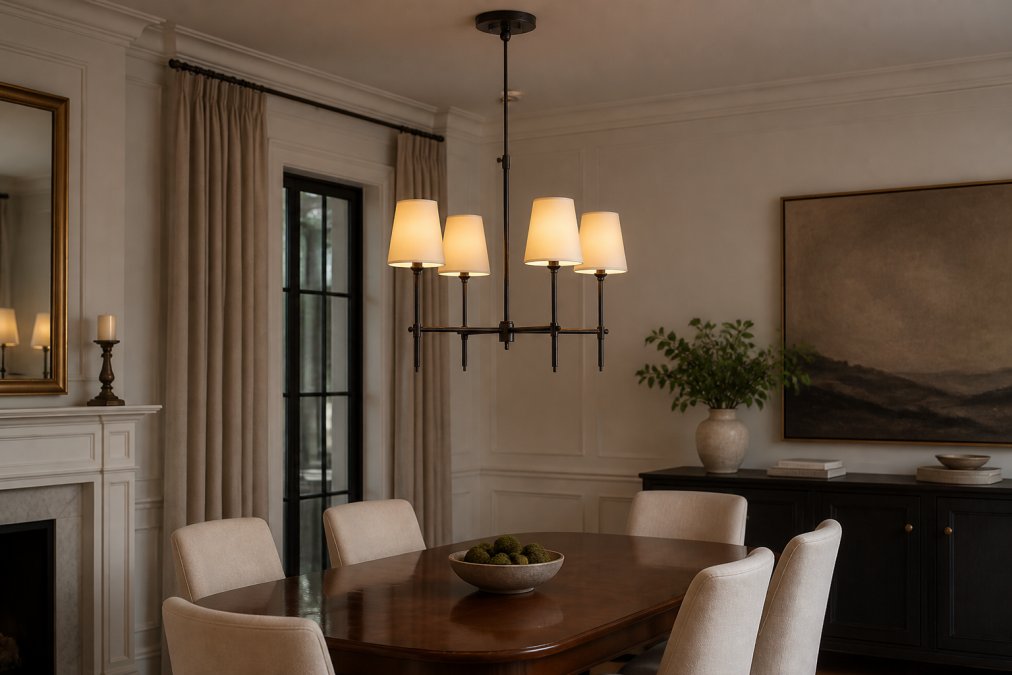
The aesthetic value is equally important. A designer fixture becomes a focal point, a statement about the space. The Visual Comfort Thomas O'Brien Bryant Large Ring Chandelier isn't just a light source, it's architecture. It defines the room's character and sets the tone for everything else in the space.
This matters to resale value too. A home with thoughtfully specified designer lighting reads as intentional and refined. Buyers recognise quality fixtures as permanent improvements, not something they'll need to replace. A room lit by a designer chandelier feels more luxurious, more considered, more valuable.
The durability of designer fixtures also means you don't experience the visual degradation of cheap lighting. The finish doesn't tarnish, the shade doesn't yellow, the light output doesn't dim over time. The space maintains its intended aesthetic for decades.
Designer lighting costs more because it's engineered to perform reliably, specified by professionals who understand how light functions in space, and built from materials that last. The price premium reflects genuine material quality, manufacturing precision, and long-term value that cheap fixtures simply don't deliver. When you're investing in a space you'll live in for years, designer lighting isn't an expense, it's a foundation. Explore Oscar and Mila's curated collection of designer fixtures, including pieces from Visual Comfort and other premium brands, to discover how the right lighting transforms both the function and feeling of your home.

A: Designer lighting costs more because of superior material quality, precision manufacturing, and architectural specification. Premium fixtures use hand-finished brass, quality LED drivers, and flicker-free technology that mass-produced alternatives skip. Designer pieces also offer better light diffusion, colour temperature accuracy, and fixture longevity, often lasting 15-20 years versus 5-7 years for cheaper options. The Visual Comfort Bryant Chandelier, for example, combines brass construction with linen shades and precise engineering that justify its investment through durability and aesthetic impact.
A: Yes, when designed to meet energy efficient lighting standards. Premium fixtures incorporate advanced LED technology, optimised lumens output, and smart dimming compatibility that reduce energy consumption compared to budget alternatives. However, the real savings come from proper architectural lighting design, using task lighting where needed rather than over-lighting entire spaces. A designer fixture sized and specified correctly will use less energy and last longer, creating compound savings through reduced replacement costs and lower electricity bills over its lifecycle.
A: Absolutely. Expensive designer fixtures deliver superior light quality, colour rendering, and heat dissipation that budget fittings cannot match. A high-CRI (colour rendering index) designer fixture reveals true colour in artwork and furnishings, while cheap alternatives produce flat, harsh light. Designer fixtures also eliminate flicker and provide consistent colour temperature, creating a more comfortable, sophisticated ambiance. The aesthetic difference is immediate, a designer chandelier becomes a focal point that elevates the entire room's perception of quality and refinement.
A: Professional architectural lighting design principles guide fixture selection based on room dimensions, ceiling height, colour temperature needs, and spatial function. Before purchasing, consider the fixture's overall height and width relative to your space, colour temperature (warm white for living areas, cooler for kitchens), and whether dimming compatibility suits your needs. Oscar and Mila's curated collection includes pieces like the Visual Comfort Bryant Chandelier (available in small and large sizes) designed for various ceiling heights and room scales.
This article was written using GrandRanker
Leave a comment